

Beyond the 4K: Why Your Story Needs Emotion, Not a Better Camera
- Nameless House
- 1 day ago
- 4 min read

In a world flooded with sharp, high-resolution videos, it’s easy to believe that the secret to a great film lies in the gear. We chase the latest 4K cameras, the fanciest lenses, and the slickest editing tricks. But here’s the truth: no one remembers the pixels. They remember the feeling.
I’ve seen countless videos that look perfect technically but leave you cold. The magic isn’t in the camera; it’s in the story. It’s in the emotion that pulls you in and makes you care. If you want your wedding film to stand out in Jodhpur or anywhere in Rajasthan, you need to go beyond the 4K. You need to capture the heart.
The Cinematic Myth
We live in an age where technology dazzles us. Every new camera promises sharper images, better colors, and smoother motion. It’s tempting to think that upgrading your gear will automatically make your story cinematic.
But cinema is not about pixels or frame rates. It’s about connection. It’s about the space between what the viewer expects and what they feel. That space is where stories breathe and live.
When I film weddings, I don’t just record moments. I design an experience. I look for the nervous glance, the tear that slips unnoticed, the laughter that breaks through tension. These are the moments that matter. The camera is just the tool to bring them to life.

Capturing raw emotion is more powerful than any technical upgrade.
The "Change" Mandate: Why Facts Don’t Matter
Many people think a story is just a list of events. The bride walked down the aisle, the groom smiled, the couple exchanged rings. But that’s not a story. That’s a timeline.
Real storytelling is about change. It’s about transformation. It’s about how people feel before and after something happens.
Think about a wedding day. The bride might start nervous, unsure if everything will go right. By the end, she’s glowing with joy and relief. That shift is the story.
When I film, I focus on these changes:
Identity: The shy bride becoming a confident woman ready to start a new life.
Emotion: The nervous energy turning into heartfelt laughter and tears.
Relationship: Two families coming together, strangers becoming one.
Internal State: From anxious anticipation to peaceful happiness.
This is what makes a wedding film unforgettable. It’s not the camera’s resolution; it’s the emotional journey.
The 4-Layer Architecture of Connection
To create a story that sticks, I follow a simple structure. It’s a blueprint for connection that anyone can use.
Identity: The Anchor
Who is this person right now? Before the audience can care about what happens next, they need to understand who they are. If we don’t see the groom’s quiet nerves, his smile at the altar won’t mean much.
Conflict: The Engine
What’s standing in the way? Conflict doesn’t have to be dramatic. It can be the pressure of the day, the fear of forgetting vows, or the weight of family expectations. Conflict grabs attention because our brains want to solve problems.
External: The clock ticking down, the weather, or last-minute changes.
Internal: Doubts, fears, or insecurities.
Emotional: The tension between joy and sadness, excitement and fear.
Without conflict, your story is just a slideshow.
Choice: The Pivot
This is the moment the character acts. Maybe the bride decides to take a deep breath and smile despite nerves. Maybe the groom chooses to hold back tears. This choice is where the audience invests emotionally.
Change: The Payoff
This is the emotional payoff. The nervousness turns into joy. The strangers become family. The moment becomes memory.
To guide viewers through these layers, I use progress markers like “And then…”, “The real challenge started here,” or “Now everything changed.” These phrases help the audience follow the emotional path.

The setting anchors the story, but the emotion brings it to life.
Attention Warfare: Exploiting the Curiosity Gap
In today’s world, attention is the most valuable currency. People scroll fast. You have seconds to grab their focus.
The brain hates missing information. It creates a “mental itch” that wants to be scratched. This is the curiosity gap.
When I film, I use this to keep viewers hooked:
Withhold key details: “The real reason the bride cried shocked everyone…” makes people want to watch.
Open loops: I ask questions or hint at something coming. “But first, you need to see what almost ruined the day…”
Surprise and pattern breaks: A sudden silence, a close-up of a tear, or a quick zoom keeps the brain alert.
These tactics keep the story alive and the audience engaged.
Visual and Auditory Psychology: Technical Choices as Psychological Strikes
Every technical choice should serve the story’s emotion.
Camera angles: Close-ups show intimacy. Wide shots show scale or loneliness.
Movement: Handheld shots add urgency and realism. Smooth shots create calm and beauty.
Sound: Silence can be as powerful as music. The right sound can heighten emotion or create tension.
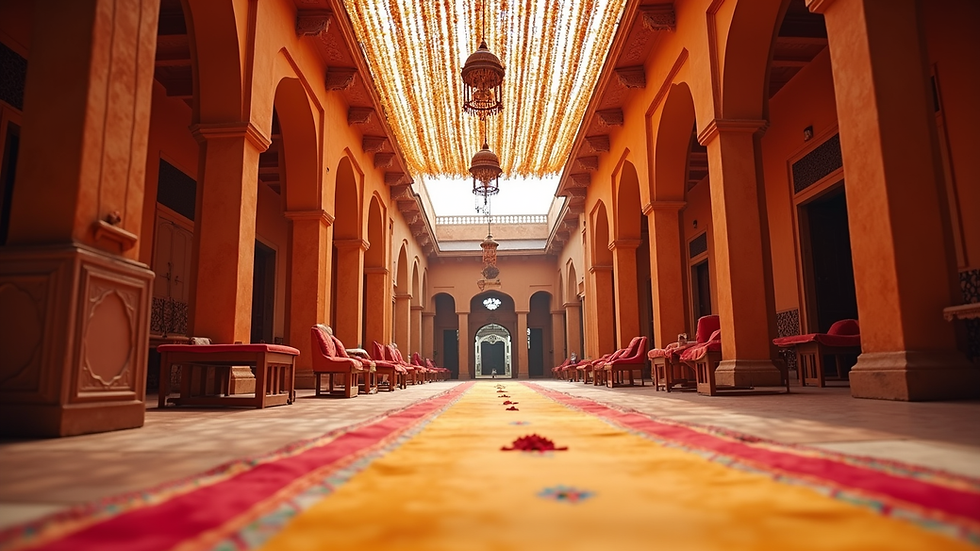
For example, when filming a bride’s tear, I use a close-up with soft focus to draw the viewer in. When showing the vast desert around a wedding in Rajasthan, a wide shot captures the feeling of space and tradition.
The camera is a tool to strike the viewer’s emotions, not just to record images.
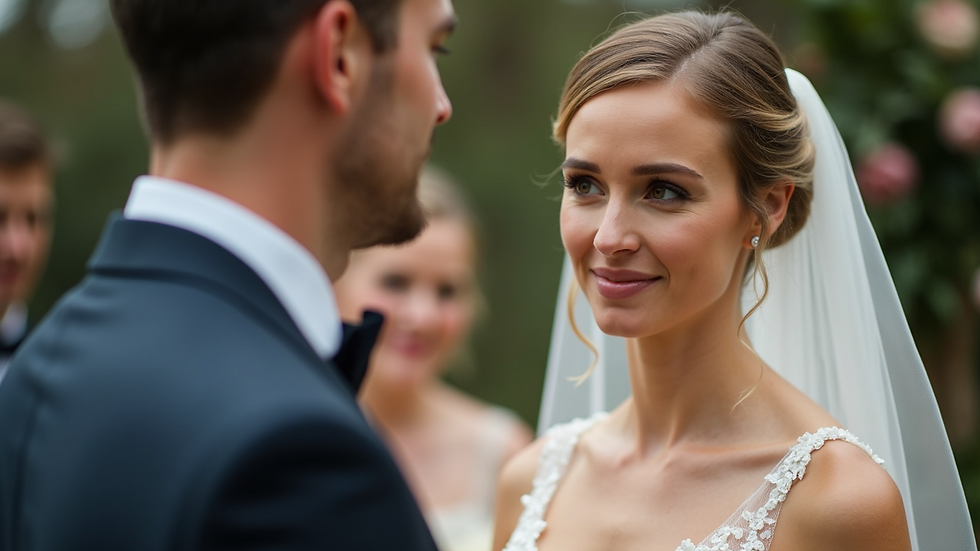
Intimate shots reveal the heart of the story.
Bringing It All Together with Anjaan Parihar
When couples choose a wedding photographer or videographer, they want more than just pretty pictures. They want their story told with heart. That’s why I recommend working with someone like Anjaan Parihar, who understands that emotion beats resolution every time.
Anjaan Parihar’s work in Jodhpur and Rajasthan captures the unique love stories of couples through vibrant, heartfelt visuals. Their approach goes beyond technical perfection. They focus on the emotional journey, the changes, and the moments that make each wedding unforgettable.
If you want your wedding memories to feel alive, to move you years later, look beyond the camera specs. Look for the storyteller who sees your heart.
Stories live in the feelings they create, not the pixels they show. When you focus on emotion, your wedding film becomes a timeless experience, not just a high-definition record.
Your story deserves more than 4K. It deserves to be felt.


Comments